
Paint Protection Film: The Complete Beginner's Guide [2026]
Introduction
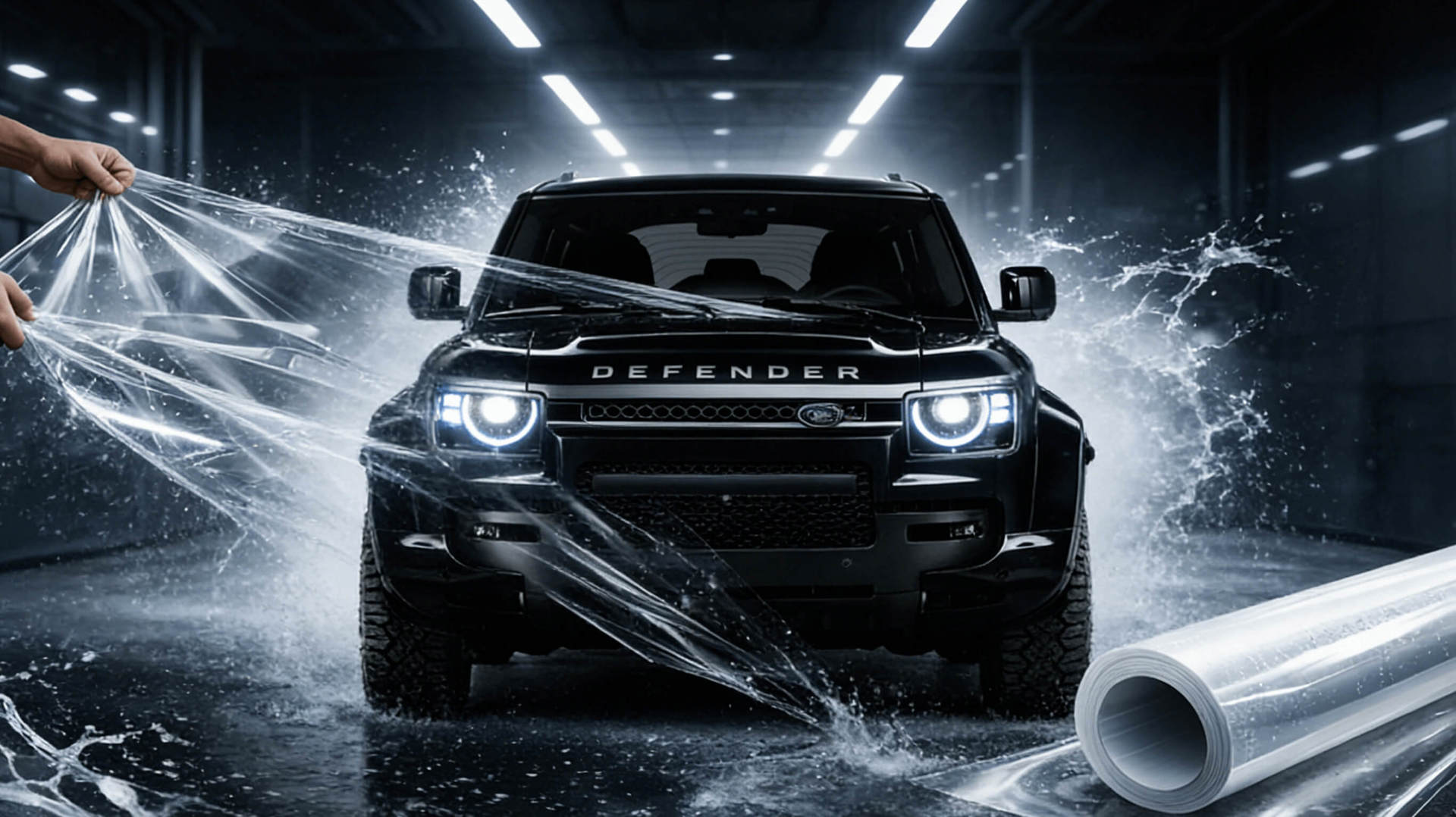
Paint Protection Film (PPF) is a revolutionary automotive solution that has transformed how car owners preserve their vehicle's appearance. Also known as clear bra, PPF is a transparent, ultra-thin polyurethane film that acts as a protective shield for your car's paintwork. Originally developed for military applications to protect helicopter blades from debris, this technology has evolved into a must-have accessory for modern vehicle owners.
If you're wondering "what is Paint Protection Film" and how it can benefit your vehicle, this comprehensive guide has you covered. Whether you're researching PPF for the first time or comparing different car paint protection options, you'll find everything you need to make an informed decision.
In today's world, environmental factors such as UV rays, acid rain, road salt, and stone chips pose constant threats to your car's exterior. Paint Protection Film offers an intelligent solution to these challenges. Whether you drive a luxury vehicle, a sports car, or a daily commuter, protecting your investment with quality PPF has become increasingly essential.
This guide walks you through everything you need to know about Paint Protection Film — from its composition and benefits to installation processes and maintenance tips. By the end, you'll understand why thousands of car owners worldwide trust PPF to keep their vehicles looking pristine for years to come.
What is Paint Protection Film? Understanding PPF Basics
Paint Protection Film is a thermoplastic polyurethane (TPU) material designed to shield vehicle surfaces from physical and environmental damage. This advanced film creates an invisible barrier that absorbs impacts, resists scratches, and prevents harmful substances from contacting your car's original paint. Often referred to as "clear bra" due to its origins in military applications, PPF has become the gold standard for automotive paint protection.
Composition of PPF: How Paint Protection Film Works
Modern Paint Protection Film consists of multiple layers, each serving a specific purpose:
| Layer | Name | Function |
| Layer 1 | Top Coat | Hydrophobic coating that repels water, dirt, and contaminants while providing self-healing properties |
| Layer 2 | Clear Coat | Provides optical clarity and UV protection |
| Layer 3 | TPU Base Layer | The core protective layer that absorbs impacts and maintains film integrity |
| Layer 4 | Adhesive Layer | Ensures secure attachment to the vehicle surface without damaging the original paint |
How Paint Protection Film Works
The unique molecular structure of TPU allows Paint Protection Film to absorb and disperse impact energy from road debris, stone chips, and minor scratches. When the film is damaged, the self-healing properties activated by heat can restore the surface to its original condition. This technology makes PPF an exceptionally durable and cost-effective solution for long-term paint preservation.
Benefits of Paint Protection Film: Why Get PPF?
Investing in Paint Protection Film offers numerous advantages that extend beyond mere aesthetics. Here's why PPF is considered the best car paint protection available.
1. Ultimate Defense Against Physical Damage
Paint Protection Film provides robust protection against:
- Stone chips and road debris — the most common paint killer at highway speeds
- Bug splatters and bird droppings — acidic substances that corrode paint
- Minor scratches and swirl marks — inevitable wear from daily use
- Shopping cart dings and door impacts — frequent parking lot damage
2. Self-Healing Technology
One of the most remarkable features of premium Paint Protection Film is its self-healing capability. Minor scratches and swirl marks disappear automatically when the film is exposed to heat from sunlight or a heat gun, maintaining a flawless appearance year after year.
3. UV and Environmental Protection
Quality PPF blocks harmful ultraviolet rays that cause paint fading and oxidation. This protection is particularly valuable in harsh climates where intense sun exposure accelerates paint degradation.
4. Enhanced Vehicle Resale Value
A vehicle with pristine paintwork commands significantly higher resale prices. Paint Protection Film preserves your car's exterior condition, making it more attractive to potential buyers.
5. Cost-Effective Maintenance
With Paint Protection Film, you'll spend less time and money on paint corrections, waxing, and detailing. The film simplifies cleaning and reduces the need for frequent maintenance.
Types of Paint Protection Film: Which PPF is Best?
Understanding the different types of Paint Protection Film helps you make an informed decision for your vehicle.
1. Gloss PPF
Gloss Paint Protection Film enhances your car's shine while providing protection. It maintains the original paint color while adding depth and reflectivity.
2. Matte PPF
Matte PPF transforms your vehicle's appearance with a sleek, non-reflective finish. It's ideal for owners who want a distinctive look while maintaining paint protection.
3. Colored / Textured PPF
Advanced Paint Protection Film options include colored films and textured surfaces that allow complete customization while preserving paint integrity.
4. Premium TPU vs. Standard PVC
- Premium TPU (Thermoplastic Polyurethane) films offer superior flexibility, clarity, and self-healing properties
- Standard PVC films are more affordable but lack the advanced features of TPU
Recommendation: For the best protection and longevity, premium TPU Paint Protection Film is the recommended choice.
How to Choose the Right Paint Protection Film
When selecting Paint Protection Film, consider these factors:
- Quality — Premium TPU films outperform standard options
- Thickness — 7–8 mil is ideal for most vehicles
- Warranty — Look for comprehensive coverage
- Brand Reputation — Established manufacturers offer consistent quality
The Paint Protection Film Installation Process
Professional installation ensures optimal protection and appearance. While DIY kits exist, professional installation is recommended for best results.
Preparation Phase
- 1.Vehicle Inspection — Thorough examination of the paintwork for existing damage
- 2.Paint Correction — Addressing swirl marks, scratches, and imperfections before installation
- 3.Surface Cleaning — Complete decontamination using clay bars and specialized cleaners
- 4.Panel Disassembly — Removing door handles, emblems, and trim for seamless coverage
Installation Steps
- 1.Film Cutting — Using computer-generated templates or hand cutting for precise fit
- 2.Application Solution — Applying a slip solution to position the film correctly
- 3.Film Placement — Carefully aligning and applying the film to each panel
- 4.Squeegeeing — Removing solution and ensuring proper adhesion
- 5.Edge Wrapping — Tucking edges for invisible protection lines
- 6.Curing Time — Allowing 24–48 hours for complete adhesion
Timeline: Professional installers typically require 2–3 days for a full-vehicle Paint Protection Film installation, ensuring every detail is perfected.
Paint Protection Film Maintenance and Care
Proper maintenance maximizes the lifespan and effectiveness of your Paint Protection Film.
Do's and Don'ts
DO:
- Wait 48 hours after installation before washing your vehicle
- Use pH-neutral car wash soaps
- Dry with microfiber towels
- Apply approved PPF sealants for added protection
DON'T:
- Use abrasive cleaning tools
- Apply wax containing solvents
- Pressure wash directly on film edges
- Use harsh chemicals or petroleum-based products
Cleaning Tips
- 1.Regular Washing — Clean your vehicle every 1–2 weeks to prevent contaminant buildup
- 2.Spot Treatment — Remove bird droppings and bug splatters promptly
- 3.Professional Detail — Schedule periodic professional detailing for optimal appearance
Paint Protection Film Cost and ROI: Is PPF Worth It?
The Paint Protection Film cost varies based on coverage area and quality. Understanding the investment helps you make the right decision for your budget and vehicle.
Average Cost Ranges
| Coverage Area | Price Range (USD) |
| Partial Front (partial hood, front bumper) | 1,500 |
| Full Front (bumper, hood, fenders, mirrors) | 2,500 |
| Full Vehicle Coverage | 7,000+ |
Factors affecting cost include:
- Vehicle size and complexity
- Film quality and brand
- Installer expertise
- Geographic location
Return on Investment
While the initial cost may seem significant, Paint Protection Film offers substantial long-term value:
- Avoid 2,000 in paint correction costs
- Maintain higher resale value (typically 5–10% more)
- Reduce ongoing maintenance expenses
- Eliminate the need for expensive ceramic coatings
Why Choose NICK Paint Protection Film?
When selecting Paint Protection Film for your vehicle, choosing an established manufacturer ensures quality and reliability.
NICK: 27 Years of Excellence in PPF Technology
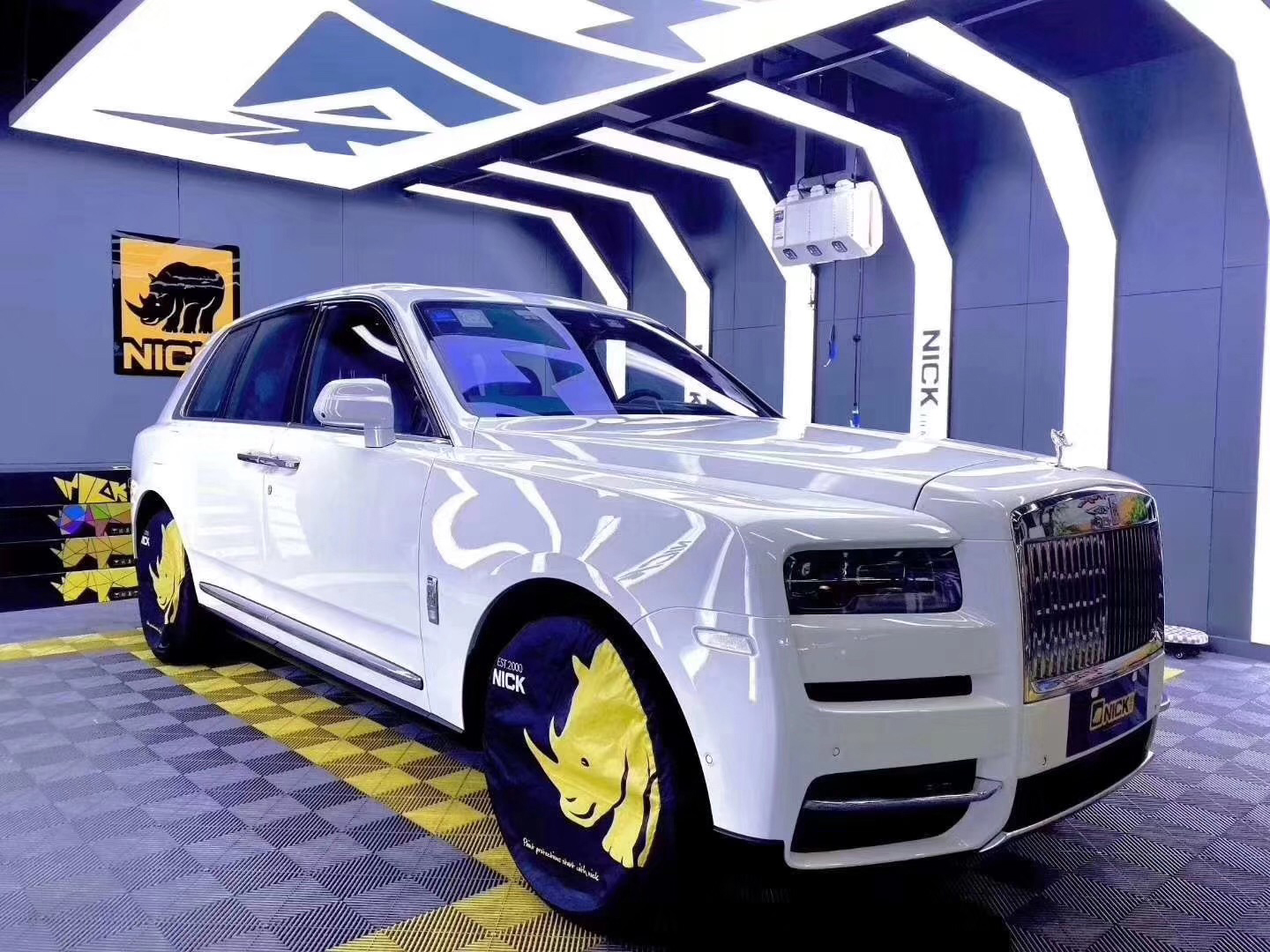
NICK has been a leading Paint Protection Film manufacturer for 27 years, specializing in premium TPU solutions that deliver exceptional performance across global climates. Our commitment to innovation and quality has made us a trusted partner for car detailing shops, PPF dealers, and distributors worldwide.
Why NICK Paint Protection Film Stands Apart:
- Premium TPU Materials — NICK uses only the highest quality thermoplastic polyurethane, ensuring superior flexibility, clarity, and durability
- Global Climate Durability — Our films are engineered to perform reliably in extreme temperatures, from freezing winters to scorching summers
- Advanced Self-Healing — Proprietary technology enables minor damage to repair automatically
- Crystal Clear Protection — Optical clarity preserves your vehicle's original appearance
- Comprehensive Warranty — Industry-leading warranty coverage provides peace of mind
Whether you're a car detailing professional seeking the best for your clients or an individual car owner protecting your investment, NICK Paint Protection Film delivers uncompromising quality and performance.
Conclusion
Paint Protection Film represents one of the most effective investments you can make in your vehicle's long-term preservation. This advanced technology offers comprehensive protection against physical damage, environmental hazards, and everyday wear and tear while maintaining your car's stunning appearance.
With options ranging from partial front coverage to full-vehicle protection, Paint Protection Film can be tailored to meet your specific needs and budget. The self-healing properties, combined with easy maintenance, make it an increasingly popular choice among discerning car owners.
When you choose NICK Paint Protection Film, you're partnering with a manufacturer that brings 27 years of expertise, premium TPU materials, and proven global climate durability. Protect your investment today and enjoy years of pristine vehicle appearance with quality Paint Protection Film.
Frequently Asked Questions
1. How long does Paint Protection Film last?
Quality Paint Protection Film typically lasts 5–10 years with proper maintenance. Premium TPU films from established manufacturers often come with warranties ranging from 5 to 10 years, ensuring long-term protection for your vehicle.
2. Does Paint Protection Film damage my car's original paint?
No. When properly installed and removed by a professional, Paint Protection Film will not damage your vehicle's original paint. The adhesive used in quality PPF is designed to be removable without leaving residue or affecting the clear coat. In fact, PPF protects the original paint from damage.
3. Can Paint Protection Film be applied to any vehicle?
Paint Protection Film can be applied to virtually any vehicle with a painted exterior. It works on cars, trucks, SUVs, motorcycles, and even aircraft. Professional installers can custom-cut films to fit any make and model, ensuring precise coverage.
4. Is Paint Protection Film worth the investment?
Yes. Paint Protection Film is worth the investment for most vehicle owners. It protects against costly paint damage, maintains resale value, reduces maintenance time, and keeps your vehicle looking pristine. The cost is typically less than professional paint correction and provides ongoing protection.
5. How do I know if my Paint Protection Film needs replacement?
Signs that your Paint Protection Film needs replacement include yellowing or discoloration, lifting edges, persistent scratches that won't self-heal, and hazing that affects visibility. Regular inspection by a professional can help identify when replacement is necessary.
6. How much does full Paint Protection Film cost?
Full vehicle Paint Protection Film typically costs between 7,000+, depending on vehicle size, film quality, and installer expertise. Partial front coverage (bumper, hood, fenders) costs 2,500.
7. Can you apply Ceramic Coating over Paint Protection Film?
Yes. Ceramic coating can be applied over Paint Protection Film for enhanced protection and gloss. This combination offers the benefits of both: PPF's physical protection with ceramic coating's hydrophobic properties.
Ready to protect your vehicle with premium Paint Protection Film? Contact NICK today to learn more about our premium TPU solutions
 SEND

 Phone:
 Email:


